Rural Energy Hubs
The Rural Energy Hubs (REH) concept is an ambitious initiative designed to accelerate the transition to a low-carbon future in rural communities across the UK and globally.
Aquatera are committed to understanding and addressing the non-technical barriers to decarbonisation.
Our REH replication services seek to bring individuals, communities, businesses and local authorities closer to affordable clean energy solutions using a situated and place-based approach to ensure inclusive and sustainable progress in green transition.
The concept was developed through establishing the Brae Rural Energy Hub as part of a demonstrator project, funded by Innovate UK, alongside our project partners.
Rural Energy Hubs give a central, accessible focal-point within a community where individuals, businesses, and local authorities can access and learn about affordable clean energy solutions from local, friendly advisors. These hubs address non-technical barriers to decarbonisation whilst fostering social and economic prosperity.
Facilitating and accelerating decarbonisation by addressing non-technical challenges
- Finance
- Regulation
- Grid capacity
- Resource availability
- Behavioural change
- Data accessibility
Aquatera's services in Rural Energy Hub replication build upon decades of experience in delivering innovative low-carbon projects, particularly through collaborative efforts in Orkney and Shetland, UK.
Our Experience: The Brae Rural Energy Hub
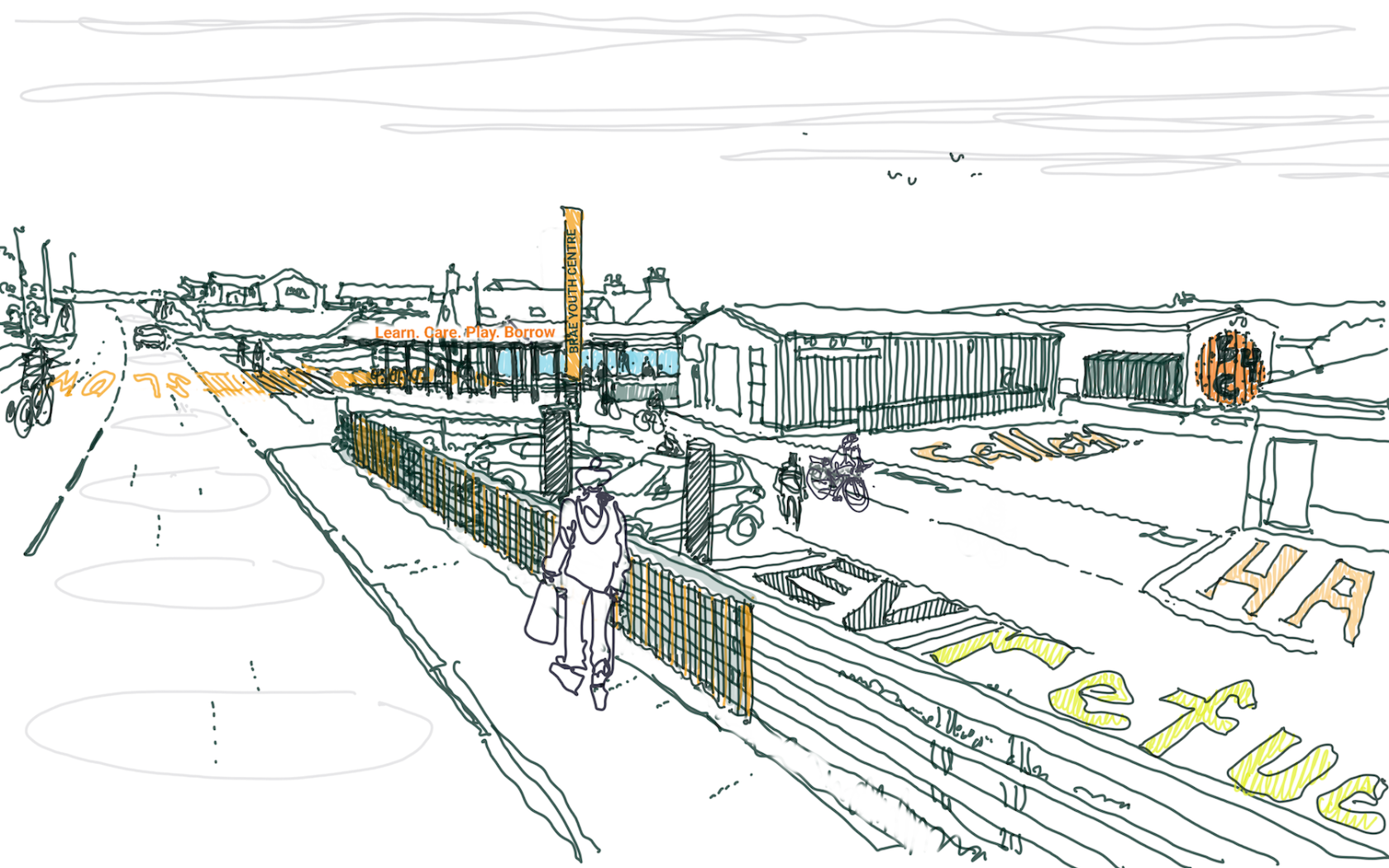
The REH project 2023-2025, funded by Innovate UK, developed the Rural Energy Hub concept as a ‘place-based’ demonstration approach. The demonstration focussed on understanding the opportunities and overcoming the unique, non-technical challenges that hinder decarbonisation within specific rural settings.
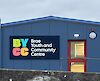
The Brae Rural Energy Hub (BREH), located in Brae, Shetland, opened in November, 2026. The BREH serves as a physical hub hosting services and amenities to support Shetlanders to transition to net zero:
- Information and advice - certified staff provide information, energy advice, funding information, and referral information for local firms to facilitate low-carbon home and vehicle services.
- EV rapid-charge facilities.
- E-bike hire, storage, and charging facilities.
- Shetland Car Club service - car and minivan provision to reduce reliance on private vehicle ownership.
- Co-working spaces - reducing home energy costs.
- Community cafe - giving space to connect after using the co-working space or allowing time for an EV to charge.
The project encompasse all aspects of the energy system:
Transport
Exploring innovative electric and hydrogen solutions for local fleets, integrating community-managed services, developing a Mobility as a Service (MaaS)
platform, deploying distributed charging infrastructure, creating financially sustainable car club models, trialling maritime and aviation decarbonisation, and developing holistic transport decarbonisation plans.
Heat
Implementing district heating solutions, utilising smart monitoring to drive behavioural change, and developing a Building Renovation Passport programme to
support home and office decarbonisation.
Power
Developing affordable models for renewable generation and battery solutions, including integration into the rural energy hub.
The Brae REH project prioritises replicability as a critical component for wider application in other communities.
Replicating the energy hub model is intended to standardise the development and implementation process, thereby enabling the creation of a procedural framework.
Rural Energy Hub Replication Framework
Replication Framework is a structured process designed to guide project teams in establishing successful Rural Energy Hubs in diverse communities.
Our framework provides a staged approach, addressing key considerations and facilitating effective stakeholder engagement.
Intended as a flexible guide, our framework recognises that each community and project context is unique, certain data requirements, activities, or even entire stages outlined in the framework may not be applicable in every situation. In the absence of such a framework, project development and implementation are susceptible to increased risk, particularly in areas such as procurement, timeline alignment across preparation and development phases, and the establishment of coherent stakeholder engagement.
- Staged Approach: Breaks down the complex process of energy hub implementation into manageable phases.
- Comprehensive Considerations: Addresses technical and non-technical, technological, social, governance, and financial aspects.
- Stakeholder Focus: Clarifies roles, responsibilities, and engagement strategies for all involved parties.
- Flowchart Tool: Provides a visual aid for assessing project feasibility in different locations.
- Adaptable Design: Allows for flexibility and customisation based on specific project needs.
Learn more about the Replication Framework:
Rural Energy Hub Replication Framework.pdf
Contact Us
We are keen to develop opportunities to establish more Rural Energy Hubs. We welcome enquiries from individuals, communities and organisations that are interested. If you would like to start a conversation with us see the information below on the team.
Contact the Brae Rural Energy Hub
For enquiries in the first instance please contact:
Jade Wilson at the Brae Hub CIC: hello@braeruralenergyhub.com
Anna Marriott at Aquatera: anna.marriott@aquatera.co.uk
The Team Behind Rural Energy Hubs
We are a consortium of six organisations that collaborated on the Innovate UK Funded Rural Energy Hubs project 2024-2026 (REH). Depending on the needs of your community, different partners might be a good fit for collaborating on a project in your area. We can provide ad hoc support for project development, consulting services or partner on projects.

The Brae Rural Energy Hub Community Interest Company (the Brae Hub CIC) was established by the Innovate UK project as a locally led and staffed organisation to run the Brae Hub long term. Their staff and directors bring hands on experience of operating a Hub to consulting and can host site visits for communities that are exploring the potential of setting up a Hub.
Our team at Aquatera were the lead partner in the REH Project, responsible for the development of the business and services for the Brae Hub, recruitment the staff for the CIC and creation of the Replication Framework for Rural Energy Hubs. We are also responsible for exploring new opportunities to apply the Framework to new projects and communities.
Shetland Islands Council (SIC) was the partner in the REH project that led on the development of the Brae Hub in collaboration with Aquatera and CES, and the retrofit of the Brae Youth and Community Centre as its base, as well as trialling an electric bus, expanding the Shetland Car Club to include electric vans and conduction a transport review for the North Mainland of Shetland and a feasibility study for district heating for Brae.
Community Energy Scotland (CES) led the development of the governance model for the Brae Hub and development of community transport related services in the Hub. They also established a network of community development organisations collaborating on decarbonisation of community transport across Orkney and Shetland, and delivered activity on car clubs, ebikes, EV charger networks, and energy monitoring in homes and community buildings.
The European Marine Energy Centre (EMEC) were the project partner looking at options for decarbonising aviation where inter island flights are a lifeline service. This included trialling use of drones for deliveries of essential supplies between islands including medical supplies.
Orkney Island Council (OIC) trialled the use of an electric bin lorry which along with the electric bus trial in Shetland by SIC, acted as a demonstration to test the use of alternative fuel large mobility vehicles for rural public service delivery. They also upgraded pier infrastructure in Kirkwall and on the island of Eday to support the upcoming trial of electric ferries in Orkney.